How to Clean and Care for a Double Pane Window in Carlsbad
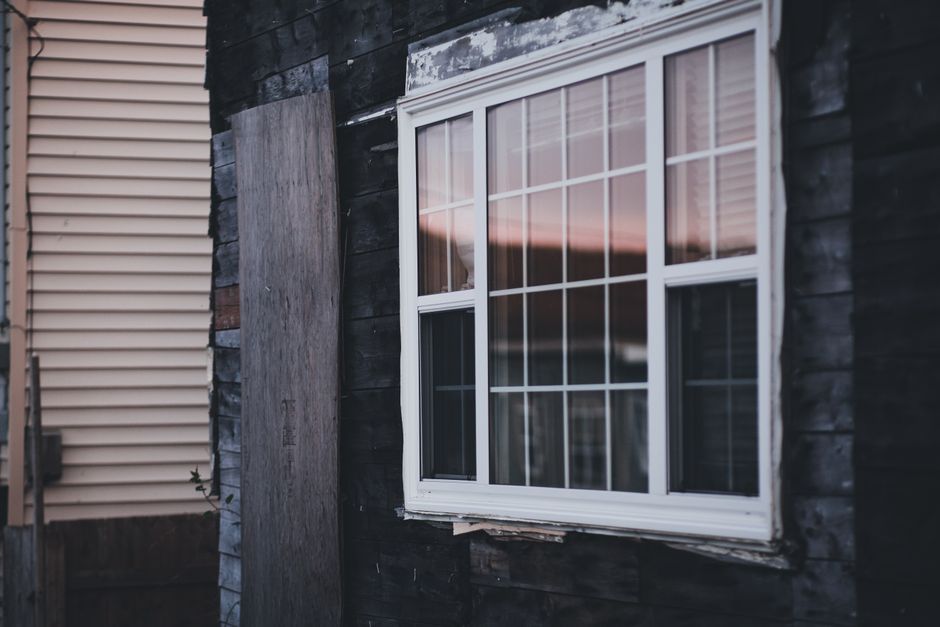
Rinse the window with plain fresh water before anything else touches it. Near the Carlsbad coast, salt crystals and blown sand sit on the glass like fine grit, and wiping them dry with a cloth is a common way to scratch a window. Everything else in coastal window care builds on that first step.
Rinse First, Then Wash

Use a garden hose on a gentle spray and flood the exterior glass and frame. Let the water carry off the loose salt and sand. Only then bring in a soft microfiber cloth or a clean rubber squeegee.
For the wash itself, a few drops of dish soap in a bucket of water works well. Diluted white vinegar is another fine choice. Skip abrasive powders, scouring pads, and steel wool. Avoid razor scraping unless the glass maker says it is allowed, because tempered glass and some coated surfaces scratch easily.
Do not pressure wash. High pressure water can be forced past weatherstripping and glazing beads, and it can stress the edge seal that holds the two panes together. A hose and a soft brush do the job without that risk.
Pick the Right Time of Day
Wash in shade or on an overcast morning. In direct afternoon sun the solution dries before you can squeegee, leaving streaks and mineral spots. West and south windows facing the ocean are best done early. Finish with a clean water rinse and a squeegee pass so tap water minerals do not dry on the glass.
How Often Depends on How Close You Are
The nearer a home sits to the water, the faster salt film builds. Houses in Terramar, the Village, and along Carlsbad Boulevard, Agua Hedionda, and Batiquitos get it faster than homes in La Costa or near Palomar Airport Road. A freshwater rinse of glass, frames, and screens every few weeks is a good habit near the coast, plus another after a windy onshore day.
Fog Leaves Salt Too
Marine layer fog in late spring and early summer settles on the glass and leaves a dull film as it dries, even with no wind. A hazy exterior after a run of foggy mornings is usually salt residue, not a failed coating. A rinse and a gentle wash typically clears it.
What Cleaning Does Not Touch
On most double pane units, the low E coating sits on one of the inner surfaces sealed inside the unit, so normal cleaning never reaches it. Some units carry a coating on the room side surface. If yours does, check the manufacturer's care instructions and stick to mild soap and water.
Fogging Between the Panes Is a Seal Problem
Haze, droplets, or a milky film inside the sealed unit means the edge seal has failed and moist air has gotten in. No amount of cleaning removes it, because the moisture is trapped between the panes. The usual fix is replacing the sealed glass unit, and the frame can often stay. Lost insulating gas is not visible and cannot be topped up like a tire.
Condensation on the Room Side Is Different
Water on the inside surface of the glass on a damp coastal morning comes from indoor humidity. It does not mean the window failed. Run bath and kitchen fans, open windows during dry afternoons, and wipe sills so moisture does not sit on the frames.
Frames: Match the Care to the Material
Aluminum
Many Carlsbad homes from the 1960s through the 1980s still have aluminum frames. Salt causes white powdery oxidation and pitting on aluminum, especially where the finish is bare or worn. Wash with mild soap, rinse, and dry thoroughly. Then apply a non abrasive automotive style wax to painted or anodized surfaces once or twice a year. Treat the frames before pitting starts, since it is hard to reverse.
Vinyl
Vinyl does not corrode, but salt and dust still collect in textured surfaces and corners. Mild soap and water is enough. Avoid solvents, bleach, and petroleum based cleaners, which can discolor or soften vinyl and its seals. Vinyl still needs regular care in coastal air; it just needs less.
Wood and Clad
Fog keeps wood damp for long stretches. Check sills and bottom rails for peeling paint, gaps in caulk, and soft spots. Bare wood should be primed and painted before the winter rains.
Tracks: Vacuum Before You Wet
Beach sand and the fine dust of fall Santa Ana winds collect in sliding window and patio door tracks. Vacuum out the loose grit with a crevice tool first. Then wipe with a damp cloth or an old toothbrush and soapy water. Wetting a sandy track first only makes mud.
Once the track is clean and dry, apply a silicone spray or a dry film lubricant to the tracks and rollers. Oil, grease, and general purpose penetrating sprays leave a sticky film that grabs sand and makes sliding worse over time.
A Dragging Patio Door Is a Warning
A heavy slider that drags or jumps usually has corroded or worn rollers, or a track packed with sand. Most sliders have adjustment screws at the bottom ends of the door panel that raise it slightly. Rollers that are rusted or cracked should be replaced. Forcing the door wears out the track.
Weep Holes: Small Slots That Protect the Interior
Weep holes are small slots or holes on the exterior face of the bottom frame. They let water that enters the sill track drain back outside. Clear them gently with a pipe cleaner, a soft wire, or a blast of air. A screwdriver can crack the frame, so leave it in the toolbox. Small flap covers on weeps block insects and wind, so leave them in place.
Test Them With Water
Pour a cup of water into the sill track and watch the outside. It should drain within a minute or so. If it pools in the track or spills toward the interior, a weep is blocked or the sill is pitched wrong.
Do It in the Fall
Carlsbad gets most of its rain in a few winter storms, often after months of dry weather and wind blown debris. Clearing weeps and tracks in October or November, after Santa Ana season and before the first real storm, keeps water from backing up indoors. Never caulk weep holes shut to keep bugs out.
Hardware: Catch Salt Corrosion Early
Look at locks, latches, casement cranks, hinges, and the screws that hold them. Orange streaks below a screw head, a gritty crank, or a lock that resists turning are early signs of salt corrosion. Rinse with fresh water, dry, and apply a light silicone or dry lubricant.
When replacing screws or hardware near the beach, stainless steel holds up far better than plated steel. Type 316 is the marine grade option.
Screens, Seals, and the Wall Around the Window
Screens
Screens trap salt and sand, and that residue rinses onto the glass with every fog or rain. Remove them a few times a year and rinse on a flat surface with a soft brush. Aluminum mesh corrodes near the ocean. Fiberglass or stainless mesh lasts longer and does not leave gray stains on frames.
Weatherstripping
Flattened pile strips on sliders and cracked or shrunken rubber seals let in drafts, dust, and wind driven fog. Most are replaceable. Bring a sample to a hardware or window parts supplier to match the profile.
Perimeter Sealant on Stucco
Much of Carlsbad's housing is stucco. Look for cracks or gaps where the window frame meets the wall, since these let water get behind the stucco. Reseal with an exterior sealant compatible with the frame material. Never caulk over weep holes, and never along the bottom edge where the window is designed to drain.
Two Habits That Save Trouble Later
Aim sprinklers away from the glass. Overspray leaves mineral spots that can etch glass over time and keeps frames constantly wet. Adjust or replace heads that hit windows.
Also record the glass maker before anything goes wrong. Many sealed units have a small etched mark in a corner of the glass, or printing on the spacer bar between the panes, that identifies the manufacturer. Note it and keep any paperwork. Seal failures are sometimes covered under the maker's warranty, and the mark helps when ordering a replacement unit.
No double pane window is salt proof or maintenance free by the ocean. A regular freshwater rinse, a gentle wash, clear tracks and weeps, and a quick look at the hardware and sealant keep them working well in Carlsbad's salty air.