Double Pane Windows in Carlsbad, CA
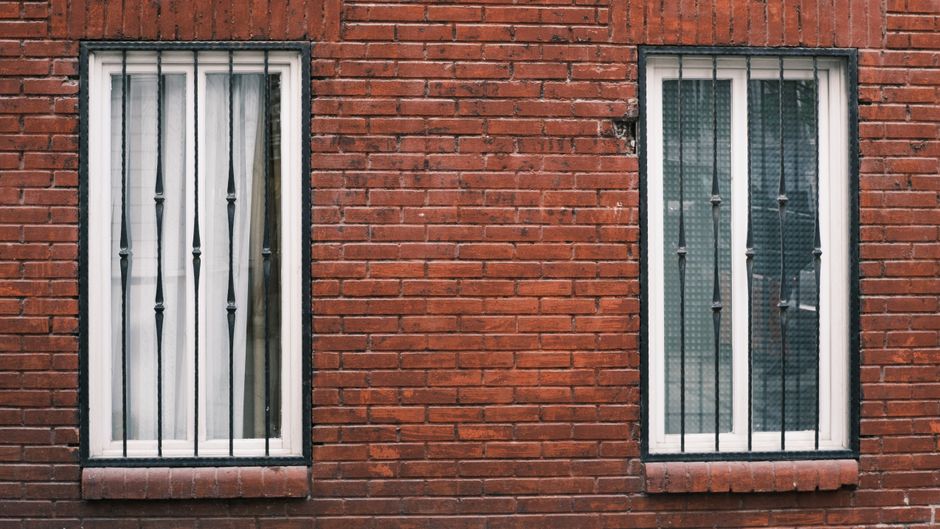
Plain answers about double pane windows in Carlsbad, CA, covering glass, frames, installation, and care for homes that live with salt air, the marine layer, strong coastal sun, and steady Interstate 5 traffic noise.
What We Cover
- How Do I Choose Glass for Coastal Sun and Interstate 5 Noise How low E coatings, gas fills, spacers, and laminated glass work, and how to match glass to sun exposure and road noise.
- Why Is There Fog Between the Panes of My Window What causes moisture or haze between double pane glass, what it means for performance, and the real options for fixing it.
- Does the Marine Layer Affect When Windows Should Be Installed How damp coastal mornings, sun, and wind influence window installation days, sealant curing, and condensation on new glass.
- How Do I Prepare My Home for New Double Pane Windows What to move, clear, and check before installers arrive so double pane window replacement goes smoothly and your home stays protected.
- What Happens During a Double Pane Window Installation The steps of retrofit and full frame window installs, how they differ, and why flashing and sealing matter as much as the glass.
- Which Window Frame Material Holds Up Best in Coastal Salt Air How vinyl, fiberglass, aluminum, and wood frames behave near the ocean and lagoons, and what to look for in hardware and finishes.
Double Pane Windows in Carlsbad, CA
A double pane window is two sheets of glass held apart by a spacer and sealed around the edge, with a gap between them that slows heat and sound. In Carlsbad, the choice of glass, spacer, gas fill, and frame matters more than the pane count alone.
Homeowners in San Diego County weigh retrofit installs against full frame replacements, then compare bids line by line.
Salt Air and Frame Materials
Salt air is hard on metal parts and finishes, and it drifts inland from Carlsbad State Beach, Agua Hedionda Lagoon, and Batiquitos Lagoon. Hinges, locks, rollers, and exposed aluminum corrode first, so hardware and frame material deserve close attention near the water.
Homes closer to Interstate 5 or farther east see less spray, but a rinse and a hardware check once a year still pay off.
Marine Layer and Sun
The marine layer brings damp mornings that affect condensation and installation timing. Sealants and trim work go on best when surfaces are dry, so crews often wait for the clouds to burn off.
Afternoon sun is strong once the sky clears. Glass coatings cut heat and fading on west and south walls, and the right coating depends on how each room is used.
Noise, Seals, and Bids
Road noise from Interstate 5 is constant for nearby homes, and thicker or laminated glass with mismatched pane thicknesses reduces it better than a standard unit. Homes in Oceanside and Encinitas near busy roads face the same tradeoff.
Fog between the panes means the seal has failed and moisture has entered the gap. Compare bids by glass package, spacer type, frame material, install method, and what the written scope covers.
Guides
The guides on this site cover preparing a home for installation, frame materials in coastal salt air, what happens on install day, and how the marine layer affects timing. They also explain fog between the panes and how to choose glass for coastal sun and Interstate 5 noise.
Latest Guides
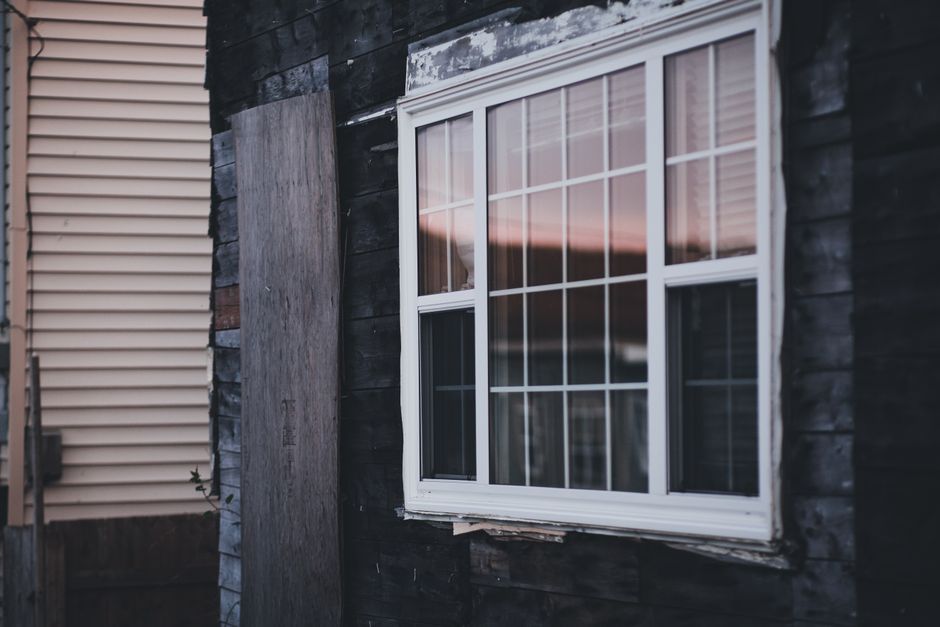
How to Clean and Care for a Double Pane Window in Carlsbad
Rinse the window with plain fresh water before anything else touches it. Near the Carlsbad coast, salt crystals and blown sand sit on the glass like fine grit, and wiping them dry with a cloth is a common way to scratch a window. Everything else in coastal window care builds on that first step.
Rinse First, Then Wash

Use a garden hose on a gentle spray and flood the exterior glass and frame. Let the water carry off the loose salt and sand. Only then bring in a soft microfiber cloth or a clean rubber squeegee.
For the wash itself, a few drops of dish soap in a bucket of water works well. Diluted white vinegar is another fine choice. Skip abrasive powders, scouring pads, and steel wool. Avoid razor scraping unless the glass maker says it is allowed, because tempered glass and some coated surfaces scratch easily.
Do not pressure wash. High pressure water can be forced past weatherstripping and glazing beads, and it can stress the edge seal that holds the two panes together. A hose and a soft brush do the job without that risk.
Pick the Right Time of Day
Wash in shade or on an overcast morning. In direct afternoon sun the solution dries before you can squeegee, leaving streaks and mineral spots. West and south windows facing the ocean are best done early. Finish with a clean water rinse and a squeegee pass so tap water minerals do not dry on the glass.
How Often Depends on How Close You Are
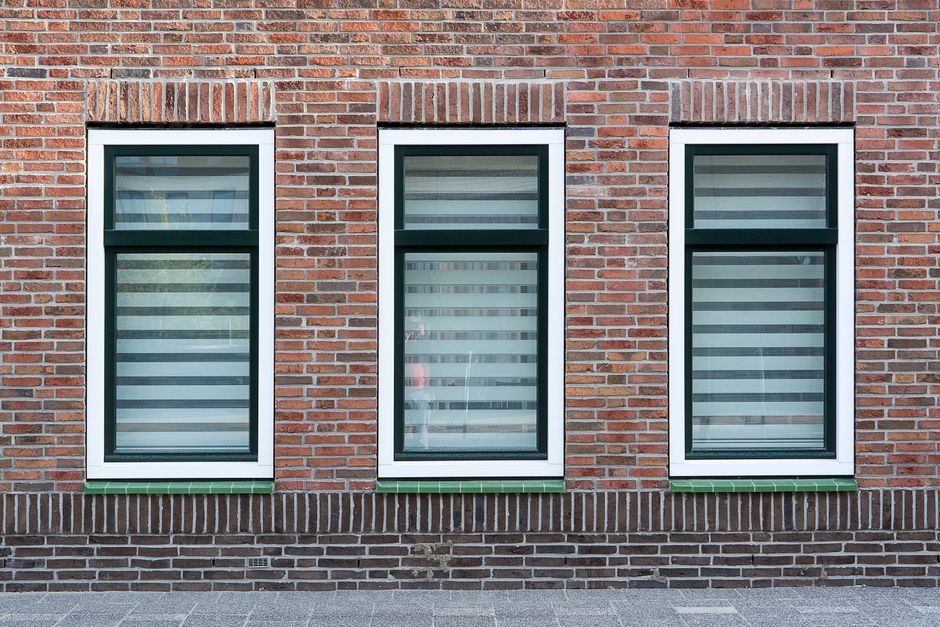
The nearer a home sits to the water, the faster salt film builds. Houses in Terramar, the Village, and along Carlsbad Boulevard, Agua Hedionda, and Batiquitos get it faster than homes in La Costa or near Palomar Airport Road. A freshwater rinse of glass, frames, and screens every few weeks is a good habit near the coast, plus another after a windy onshore day.
Fog Leaves Salt Too
Marine layer fog in late spring and early summer settles on the glass and leaves a dull film as it dries, even with no wind. A hazy exterior after a run of foggy mornings is usually salt residue, not a failed coating. A rinse and a gentle wash typically clears it.
What Cleaning Does Not Touch
On most double pane units, the low E coating sits on one of the inner surfaces sealed inside the unit, so normal cleaning never reaches it. Some units carry a coating on the room side surface. If yours does, check the manufacturer's care instructions and stick to mild soap and water.
Fogging Between the Panes Is a Seal Problem
Haze, droplets, or a milky film inside the sealed unit means the edge seal has failed and moist air has gotten in. No amount of cleaning removes it, because the moisture is trapped between the panes. The usual fix is replacing the sealed glass unit, and the frame can often stay. Lost insulating gas is not visible and cannot be topped up like a tire.
Condensation on the Room Side Is Different
Water on the inside surface of the glass on a damp coastal morning comes from indoor humidity. It does not mean the window failed. Run bath and kitchen fans, open windows during dry afternoons, and wipe sills so moisture does not sit on the frames.
Frames: Match the Care to the Material
Aluminum
Many Carlsbad homes from the 1960s through the 1980s still have aluminum frames. Salt causes white powdery oxidation and pitting on aluminum, especially where the finish is bare or worn. Wash with mild soap, rinse, and dry thoroughly. Then apply a non abrasive automotive style wax to painted or anodized surfaces once or twice a year. Treat the frames before pitting starts, since it is hard to reverse.
Vinyl
Vinyl does not corrode, but salt and dust still collect in textured surfaces and corners. Mild soap and water is enough. Avoid solvents, bleach, and petroleum based cleaners, which can discolor or soften vinyl and its seals. Vinyl still needs regular care in coastal air; it just needs less.
Wood and Clad
Fog keeps wood damp for long stretches. Check sills and bottom rails for peeling paint, gaps in caulk, and soft spots. Bare wood should be primed and painted before the winter rains.
Tracks: Vacuum Before You Wet
Beach sand and the fine dust of fall Santa Ana winds collect in sliding window and patio door tracks. Vacuum out the loose grit with a crevice tool first. Then wipe with a damp cloth or an old toothbrush and soapy water. Wetting a sandy track first only makes mud.
Once the track is clean and dry, apply a silicone spray or a dry film lubricant to the tracks and rollers. Oil, grease, and general purpose penetrating sprays leave a sticky film that grabs sand and makes sliding worse over time.
A Dragging Patio Door Is a Warning
A heavy slider that drags or jumps usually has corroded or worn rollers, or a track packed with sand. Most sliders have adjustment screws at the bottom ends of the door panel that raise it slightly. Rollers that are rusted or cracked should be replaced. Forcing the door wears out the track.
Weep Holes: Small Slots That Protect the Interior
Weep holes are small slots or holes on the exterior face of the bottom frame. They let water that enters the sill track drain back outside. Clear them gently with a pipe cleaner, a soft wire, or a blast of air. A screwdriver can crack the frame, so leave it in the toolbox. Small flap covers on weeps block insects and wind, so leave them in place.
Test Them With Water
Pour a cup of water into the sill track and watch the outside. It should drain within a minute or so. If it pools in the track or spills toward the interior, a weep is blocked or the sill is pitched wrong.
Do It in the Fall
Carlsbad gets most of its rain in a few winter storms, often after months of dry weather and wind blown debris. Clearing weeps and tracks in October or November, after Santa Ana season and before the first real storm, keeps water from backing up indoors. Never caulk weep holes shut to keep bugs out.
Hardware: Catch Salt Corrosion Early
Look at locks, latches, casement cranks, hinges, and the screws that hold them. Orange streaks below a screw head, a gritty crank, or a lock that resists turning are early signs of salt corrosion. Rinse with fresh water, dry, and apply a light silicone or dry lubricant.
When replacing screws or hardware near the beach, stainless steel holds up far better than plated steel. Type 316 is the marine grade option.
Screens, Seals, and the Wall Around the Window
Screens
Screens trap salt and sand, and that residue rinses onto the glass with every fog or rain. Remove them a few times a year and rinse on a flat surface with a soft brush. Aluminum mesh corrodes near the ocean. Fiberglass or stainless mesh lasts longer and does not leave gray stains on frames.
Weatherstripping
Flattened pile strips on sliders and cracked or shrunken rubber seals let in drafts, dust, and wind driven fog. Most are replaceable. Bring a sample to a hardware or window parts supplier to match the profile.
Perimeter Sealant on Stucco
Much of Carlsbad's housing is stucco. Look for cracks or gaps where the window frame meets the wall, since these let water get behind the stucco. Reseal with an exterior sealant compatible with the frame material. Never caulk over weep holes, and never along the bottom edge where the window is designed to drain.
Two Habits That Save Trouble Later
Aim sprinklers away from the glass. Overspray leaves mineral spots that can etch glass over time and keeps frames constantly wet. Adjust or replace heads that hit windows.
Also record the glass maker before anything goes wrong. Many sealed units have a small etched mark in a corner of the glass, or printing on the spacer bar between the panes, that identifies the manufacturer. Note it and keep any paperwork. Seal failures are sometimes covered under the maker's warranty, and the mark helps when ordering a replacement unit.
No double pane window is salt proof or maintenance free by the ocean. A regular freshwater rinse, a gentle wash, clear tracks and weeps, and a quick look at the hardware and sealant keep them working well in Carlsbad's salty air.

Double Pane Window Label Ratings Explained for a Carlsbad Home
The numbers on a window label describe the whole window under lab conditions, and in Carlsbad the solar heat gain number usually deserves more of your attention than the U factor. The label is a useful comparison tool, but it leaves out several things coastal homeowners care about, including salt air, noise and fading.
Start With What the Label Covers
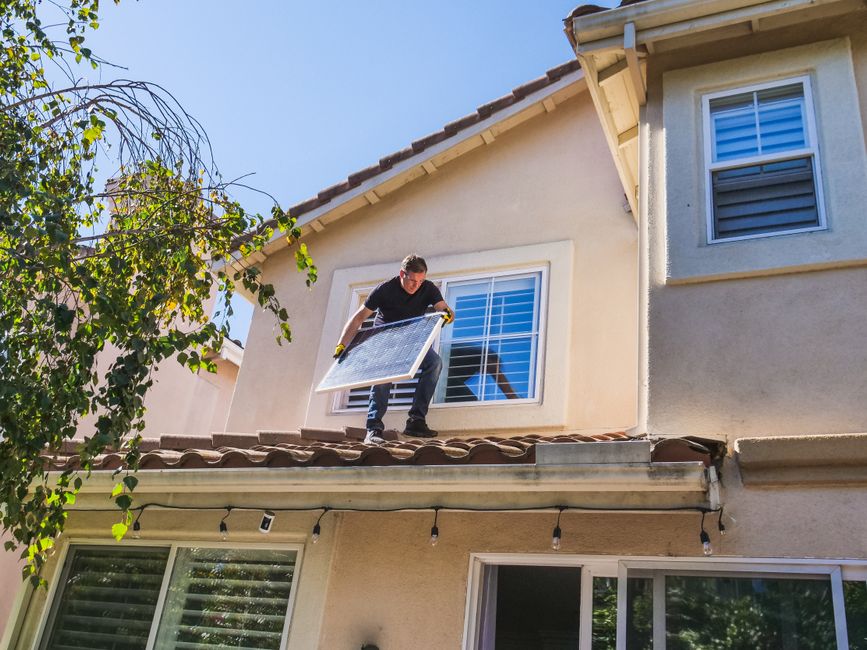
The independent rating label, issued through NFRC, gives numbers for the complete unit: frame, spacer and glass together. Brochures sometimes quote "center of glass" values instead, and those always look better because they skip the weaker edges and frame. When you compare two products, compare whole unit numbers to whole unit numbers.
Ratings also come from lab tests on a standard size window. Your actual window will be a different size and will sit in a real wall, so the label is a way to compare products, not a promise of how the window performs once installed.
U Factor: How Fast Heat Moves Through
U factor measures how quickly heat passes through the window. Lower is better. Values run from about 0.20 for high performance units to well past 1.0 for old single pane aluminum. It counts heat flow in both directions, so it matters on hot days as well as cold ones.
How much it matters in Carlsbad
The coastal climate is mild, with small swings between day and night. Chasing the lowest possible U factor gives smaller returns here than in a cold climate. Treat it as one factor among several. Triple pane is not necessary for a coastal Southern California home, and the lowest U factor is not automatically the best pick.
Where it still helps
A lower U factor keeps the inside glass surface closer to room temperature. On a cool marine layer morning, that reduces the chilly feeling near large glass doors and the cold drafts that roll off the glass, even when no air is actually leaking.
Solar Heat Gain Coefficient: The Carlsbad Number
SHGC is the share of the sun's heat that the window lets in. It runs from 0 to 1, and lower blocks more heat. For most Carlsbad homes, this is the number that decides whether a room overheats in the afternoon.
Match it to the direction the glass faces
West facing walls with ocean views take direct, low angle afternoon sun. In inland neighborhoods such as La Costa and the areas east of the freeway, summer and fall afternoons run noticeably warmer than near the beach. A lower SHGC on west and south facing glass makes the biggest difference.
You do not have to use the same glass on every side of the house. Many manufacturers will build different glass packages for different orientations. A shaded north window can use a higher SHGC glass that admits more light, while sun facing walls get a lower one. Make sure each opening gets its own label or a written spec so the right glass ends up in the right wall.
Visible Transmittance: How Bright the Room Stays
Visible transmittance, or VT, is how much daylight comes through. It runs from 0 to 1, and higher means a brighter room. This matters during the gray months of late spring and early summer, when low VT glass can make rooms feel dim all day.
Read VT and SHGC together
Good spectrally selective low e coatings keep VT relatively high while cutting SHGC. If a product has a low SHGC but also a very low VT, it is probably relying on tint, and that will darken your rooms and your view.
Tint and low e are not the same thing. Tinted glass cuts heat mainly by absorbing light and reduces clarity. Low e coatings reflect heat while letting more visible light pass. A darker tint does not mean a more efficient window, so if a salesperson calls a tinted unit "energy efficient," check its VT on the label.
Air Leakage: Optional but Worth Asking For
Air leakage, or AL, measures how much air passes through the closed window, in cubic feet per minute per square foot of window. Lower is tighter. It is an optional rating, so some labels leave it off. If it is missing, ask for it.
Why it counts during Santa Ana winds
Hot, dry offshore wind in fall pushes dust and heat through loose windows. A low AL rating, together with a proper installation, keeps rooms cleaner and cooler on those days.
Style changes the result
Sliders and single hung units generally leak more than casements and awnings, because casements and awnings compress against their seals when they close. The large sliders common in Carlsbad tract homes are worth comparing closely on AL.
Condensation Resistance, If It Is Listed
Condensation Resistance, or CR, is another optional rating. It runs from 1 to 100, and higher resists interior condensation better. Near the lagoons and the coast, where humidity stays high, it can be a useful tiebreaker for bathrooms and bedrooms. Even so, a double pane window can still collect condensation in the right conditions, so a good CR number lowers the odds rather than removing them.
What the Label Leaves Out
Several things homeowners assume are covered are not on the label at all.
- Salt air durability. Within a mile or so of the ocean, salt can corrode hardware, screens and unprotected metal. Ask separately about stainless or coated hardware and about the frame finish.
- Sound control. Near the freeway, the rail line or a busy street such as El Camino Real, ask for a separate sound rating. Laminated glass and unequal pane thicknesses help with noise more than a lower U factor does.
- Fading. Low e coatings reduce ultraviolet light, but fading also comes from visible light and heat, so they do not stop wood floors or furniture from fading. In bright, ocean facing rooms, ask for the glass's UV transmission figure and plan on shades as well.
- Seal life. The ratings describe a new, sealed unit. Over time the seal between the panes can fail and the gas fill can slowly escape. Fogging or haze between the panes means the seal has failed and the insulating glass no longer performs as rated. That is not just cosmetic. Check the warranty terms for seal failure, because the label does not predict how long the seal will last.
Check the Label Against What You Ordered
Options such as tempered glass, gas fill, grids between the panes, a different coating or a different frame color can change the numbers. Check the product description printed on the label, and get the ratings for your exact configuration in writing.
Installation matters just as much. A poor installation with gaps, missing flashing or no sealant at the frame can undo a good air leakage rating entirely.
Labels are meant to be removed after installation, so photograph each one first. The photo records the product line and its ratings for warranty claims, future comparisons or a home sale.
A Note for Older Carlsbad Homes
Many tract homes from the 1970s and 1980s, along with older homes in the Barrio and Olde Carlsbad, still have single pane aluminum frames. Plain aluminum conducts heat readily, which is why these units post high U factors. Replacement options include vinyl, fiberglass, wood, composite or thermally broken aluminum, and the label lets you compare them on equal terms.
A Practical Way to Read the Label
- Confirm the numbers are for the whole unit and match your exact configuration.
- Pick SHGC first, lower for west and south glass, and consider a higher number for shaded north windows.
- Check VT so the low SHGC is not coming from heavy tint.
- Use U factor as a comfort and efficiency factor, not the deciding one.
- Ask for AL and CR if they are missing, especially for large sliders and humid rooms.
- Ask separately about salt air hardware, sound, UV and seal warranty.
Nearby Service Areas
We also cover window replacement pros in Riverside.