What Happens During a Double Pane Window Installation
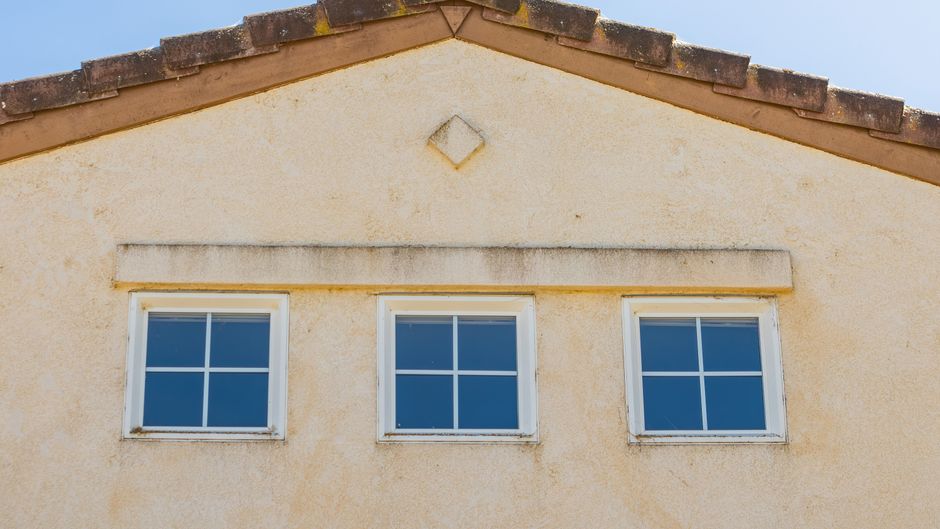
On a house where the old frame is still sound and the stucco is intact, a retrofit insert is a reasonable call, and where the frame is soft, the whole unit comes out. The running record double pane windows carlsbad in spiraling holds shows both methods in use on the same streets, and the marine layer in Carlsbad, CA keeps stucco and sills damp long enough that the choice matters. Either way the job is a window set into a wall, and the condition of that wall decides the method.
Retrofit or full frame
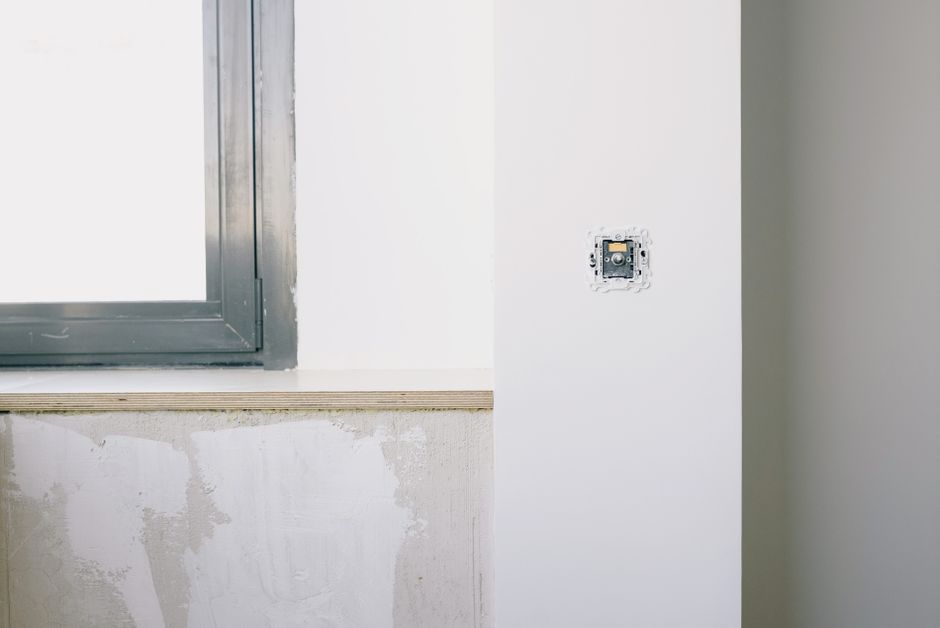
A retrofit, also called an insert, places the new window inside the existing frame. Interior and exterior trim and the wall finishes stay mostly undisturbed, which makes it the cleaner job indoors. The cost is a slightly smaller visible glass area, because the new frame sits inside the old one. A full frame install strips the old window down to the rough opening. That exposes the framing for inspection, so rot, damage, or missing flashing gets found instead of covered. The two do not perform identically in every home, and a sound opening is what makes a retrofit hold up.
Setting the unit
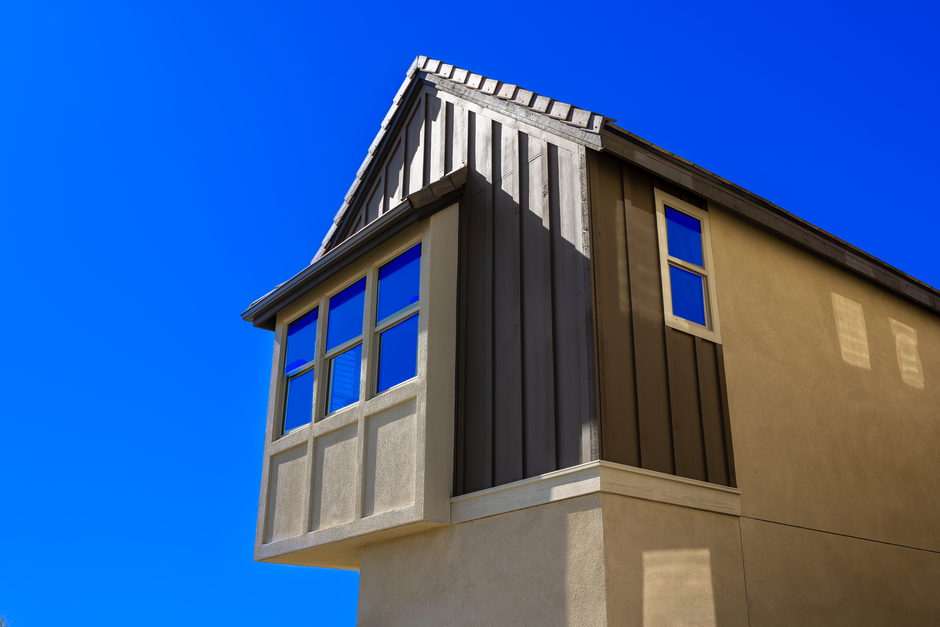
The new unit goes in level, plumb, and square, held with shims at the sill, jambs, and head. A twisted frame is the usual cause of a sash that binds or a seal that leaks later. This applies to a vinyl window, a fiberglass window, or an aluminum window alike. A double hung or a slider is especially unforgiving, because the sash rides in tracks that only work when the frame is true. Shim at the fastener points so tightening does not pull the jamb out of line.
Flashing
Flashing directs water that gets behind the siding or stucco out and away from the opening rather than into the wall. It is layered so each piece sheds onto the one below it, sill first, then jambs, then head. Caulk alone is not enough to keep water out of an opening. Sealant ages and cracks, and flashing is what carries the water that gets past it. Near Agua Hedionda Lagoon or Batiquitos Lagoon, where mornings stay wet, a missing head flashing shows up as stained drywall within a few seasons.
Insulation and sealant
Gaps between the window and the opening get filled with insulation, often low expansion foam. High expansion foam can bow the frame inward and pinch the sash, so it does not belong around a casement or an awning unit. More foam does not mean a better seal, since overfilled gaps push on the frame and can leave voids as the foam cures. Fill partway and let it expand. Then the exterior sealant goes on to block water and air. Leave the sill free to drain through its weep holes, because sealing them shut traps water inside the frame.
Final check
Operate each sash and check every lock after the install. A sash that drags, a lock that needs a push, or an uneven reveal at the meeting rail points to a racked unit, and it is far easier to fix before the trim goes back. Look at the insulated glass for even spacers and clean seals, and confirm the double pane unit has no fogging or stress marks from the shimming. Work done in San Diego County gets this same walk-through, whether the opening is a picture window, a bay window, or a small bathroom slider.